
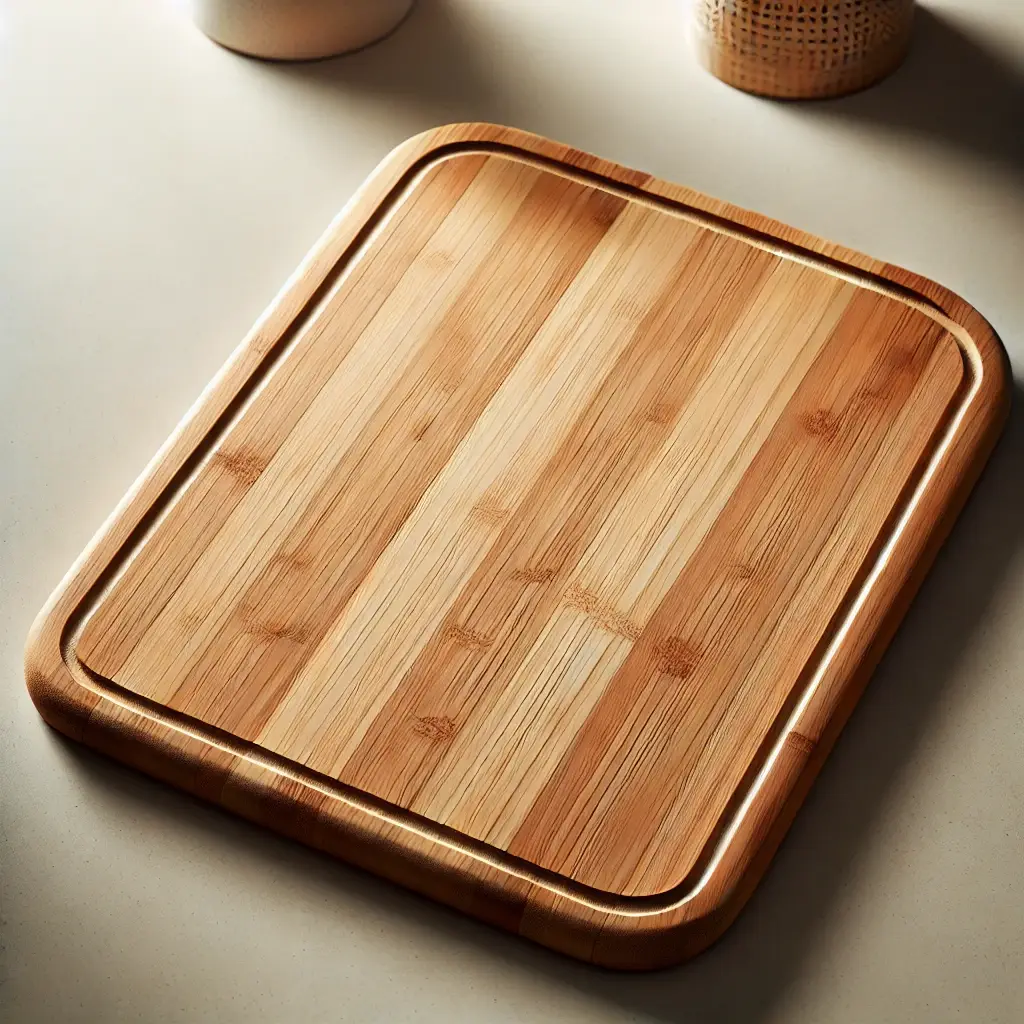
If you are building a safer, lower-toxin kitchen, your cutting board deserves more attention than it usually gets. The best non-toxic cutting boards are smooth, durable, made from food-contact materials, and easy to clean before bacteria, odors, stains, or deep knife marks become a problem. If you are also replacing cleaning tools, see our guide to non-toxic dish sponges.
The short answer: for everyday produce and meal prep, a well-made hardwood board is usually the best all-around choice. Bamboo can be a practical budget-friendly option when construction quality is clear, which is why many shoppers compare non-toxic cutting boards by material before buying. A dedicated dishwasher-safe plastic board can still be useful for raw meat, poultry, and seafood, but plastic boards should be replaced as soon as they become deeply scarred or worn. Glass, marble, and stone are better for serving than chopping because they are hard on knives and can be slippery.
Table of Contents
Table of Contents
What Does Non-Toxic Mean for a Cutting Board?
Non-toxic is not a magic label. For cutting boards, it should mean the board is made from a suitable food-contact material, does not rely on questionable decorative coatings, resists deep damage during normal use, and can be cleaned and dried thoroughly. A safer board is not only about what it is made from. It is also about how well it holds up after months of chopping, washing, and drying.
The main risks are practical: cross-contamination from raw meat, moisture trapped in cracks, plastic particles from heavily worn boards, rough glue lines, splinters, and surfaces that become too damaged to clean well. The USDA notes that consumers may choose wood or nonporous cutting board materials, and the FDA Food Code recognizes hard maple and equivalently hard, close-grained wood for cutting boards in food-service settings. That is why quality hardwood remains a trusted kitchen material.
Non-Toxic Cutting Boards: Materials Compared
| Material | Best use | Pros | Watch-outs |
|---|---|---|---|
| Hardwood | Daily prep, fruit, vegetables, bread, cheese | Durable, knife-friendly, long-lasting | Needs hand washing, drying, and occasional conditioning |
| Bamboo | Light daily prep | Widely available, renewable, often affordable | Quality varies; some boards are hard on knives |
| Plastic | Raw meat if dishwasher sanitation is needed | Lightweight, inexpensive, easy to separate by task | Deep grooves are hard to clean; worn boards may shed particles |
| Composite | Low-maintenance kitchens | Often thin, durable, and dishwasher-safe | Material details vary; some are hard on knives |
| Glass or stone | Serving, not chopping | Nonporous and easy to wipe | Dulls knives quickly and can be slippery |
Hardwood Cutting Boards
Hardwood is the best fit for most people who want one main board for vegetables, fruit, herbs, bread, and general prep. Maple, walnut, cherry, and beech are common choices because they are dense enough to hold up but not so hard that they ruin knife edges. A thick, stable hardwood board can last for years when it is cleaned, dried, and lightly conditioned as needed.
Look for a smooth surface, tight construction, clear care instructions, and a food-safe finish. Avoid boards with visible cracks, rough seams, decorative paint on the cutting surface, or a finish that is not described as food-safe. End-grain boards are often easier on knives and visually attractive, but they are usually heavier and more expensive. Edge-grain boards are simpler, durable, and often a better value.
Bamboo Cutting Boards
Bamboo is popular because it grows quickly and fits an eco-friendly kitchen theme. It can be a good everyday board when the surface is smooth and the manufacturer provides food-safe care information. Bamboo is also usually lighter and more affordable than many thick hardwood boards.
The tradeoff is that bamboo can be harder on knives, and many bamboo boards are made from strips joined together. That does not automatically make them unsafe, but it does make construction quality important. If the board has rough glue lines, gaps, splinters, peeling finish, or a strong chemical odor, skip it.
Plastic Cutting Boards
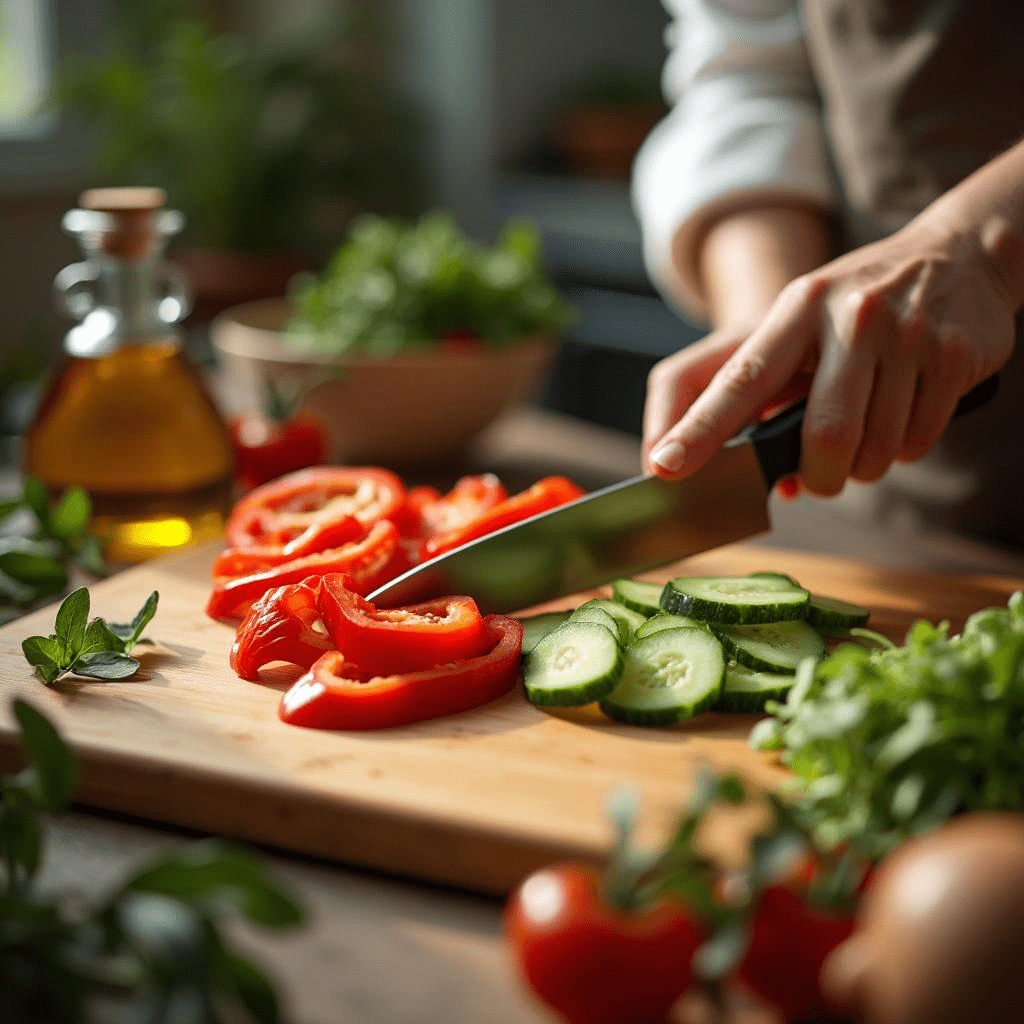
Plastic boards are convenient because many can go in the dishwasher. That makes them useful as a separate board for raw meat, poultry, and seafood. A dedicated raw-meat board also helps prevent cross-contamination with salad greens, fruit, bread, or other foods that may not be cooked before eating.
The downside is wear. Once plastic develops deep grooves, the surface becomes harder to clean. Recent research has also raised concerns that polyethylene and polypropylene cutting boards can release microplastic particles during chopping. That does not mean every plastic board needs to disappear from your kitchen, but it does mean plastic should be treated as replaceable gear, not a forever item.
Composite Cutting Boards
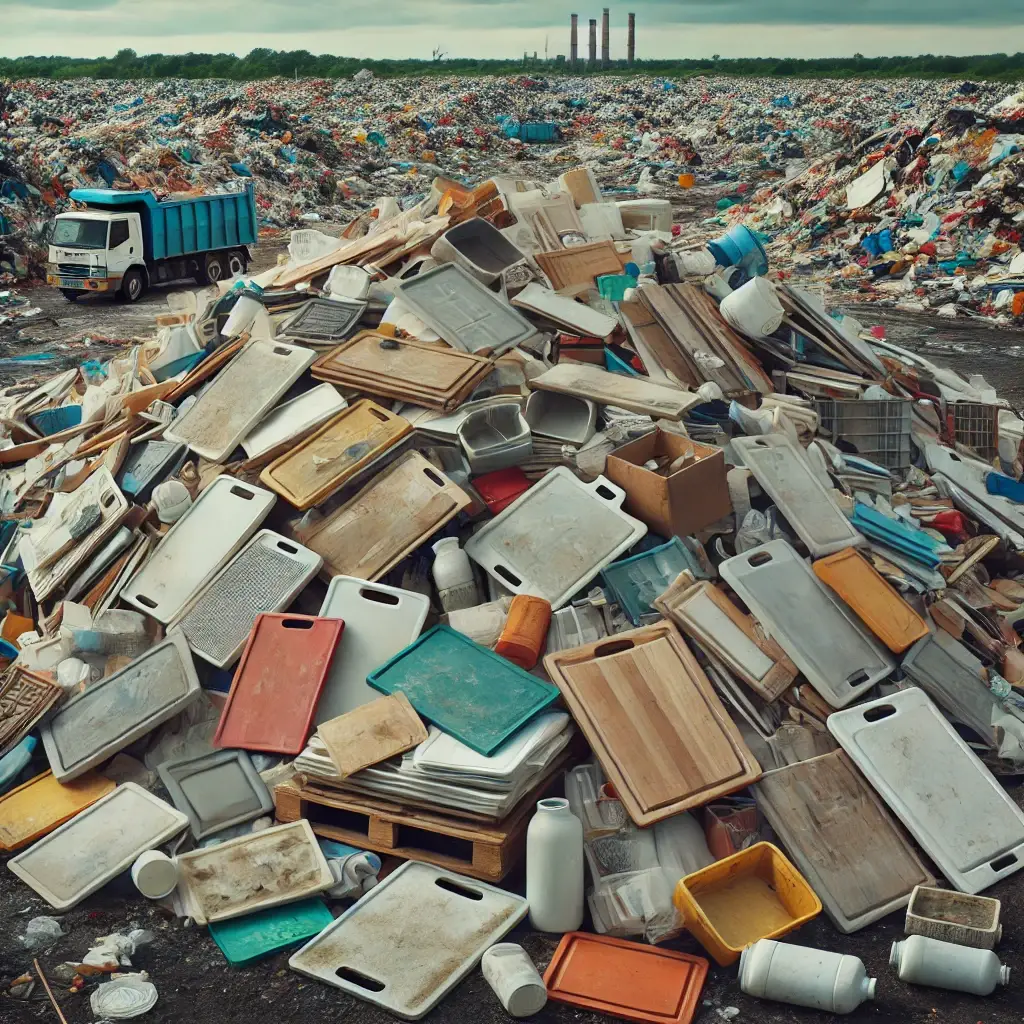
Composite boards are often made from compressed paper fiber, wood fiber, resin, or similar materials. Many are thin, durable, and dishwasher-safe. They can be a good choice if you want something lower-maintenance than wood but sturdier than a cheap plastic board.
Because composite materials vary, read the manufacturer details. Look for food-contact information, heat limits, dishwasher guidance, and replacement recommendations. Some composite boards are harder on knives than wood, so they may not be the best surface for long prep sessions with a sharp chef’s knife.
What to Avoid
- Deep grooves: heavy knife damage makes any board harder to clean.
- Cracks or separation: gaps can trap moisture and food residue.
- Unknown coatings: avoid decorative finishes on the cutting surface unless food-safe use is clearly stated.
- Persistent odors: musty, sour, or chemical smells are a sign the board may be contaminated or poorly finished.
- Unstable boards: a board that slides while cutting is a safety issue. Use a damp towel or nonslip mat underneath if needed.
The Safest Kitchen Setup
The simplest setup is two boards: one main board for produce and ready-to-eat foods, and one separate board for raw meat, poultry, and seafood. This matters because food-safety agencies consistently emphasize separation as a key step for reducing cross-contamination at home.
- Use wood, bamboo, or composite for vegetables, fruit, bread, herbs, and general prep.
- Use a clearly separate board for raw animal foods, especially if it can be washed in the dishwasher according to the manufacturer’s directions.
- Replace damaged boards when cleaning no longer restores a smooth, odor-free surface.
How to Clean Cutting Boards Properly
After each use, scrape away food debris, wash the board with hot soapy water, rinse it thoroughly, dry it with a clean towel, and let it finish air-drying upright. Do not leave wood or bamboo soaking in the sink. Do not stack wet boards flat against the counter. Trapped moisture can lead to warping, cracking, and odors.
For raw meat cleanup, follow current USDA or FoodSafety.gov guidance for washing and sanitizing cutting boards. Manufacturer instructions also matter because not every board should be cleaned the same way. Plastic and some composite boards may be dishwasher-safe. Most wood and bamboo boards should be hand washed unless the maker says otherwise.
For wood boards, occasional conditioning with a food-grade mineral oil or a board cream can help reduce drying and cracking. Avoid cooking oils such as olive oil or vegetable oil for board conditioning because they can become sticky or rancid over time.
When to Replace a Cutting Board
Replace a cutting board when it has deep grooves you cannot clean, cracks that hold moisture, peeling layers, splinters, persistent odors, dark staining around seams, or a warped shape that makes cutting unstable. A board does not need to look brand new, but it should still be smooth enough to clean and stable enough to use safely.
Related Kitchen Guides
If you are upgrading your kitchen materials, you may also find these Global Green Goods guides useful: non-toxic dish sponges, eco-friendly dish soaps, and DIY non-toxic cleaning.
FAQ
Are wood cutting boards sanitary?
Wood cutting boards can be sanitary when they are washed, dried, maintained, and replaced when damaged. The bigger issue is not wood versus plastic in isolation. It is whether the board has deep damage and whether it is cleaned properly after the food you prepared.
Is bamboo safer than plastic?
Bamboo may be preferable for people trying to reduce kitchen plastic, especially for produce prep. Plastic may still be useful as a dedicated raw-meat board if it is dishwasher-safe and replaced when worn. The safer choice depends on how you use and clean it.
Should I use glass as a cutting board?
Glass is easy to wipe clean, but it is not ideal for chopping. It dulls knives quickly and can be slippery. Use glass, marble, or stone boards for serving rather than daily knife work.
How many cutting boards do I need?
Most home kitchens should have at least two: one for produce and ready-to-eat foods, and one separate board for raw meat, poultry, and seafood. This is a simple way to reduce cross-contamination risk.
Bottom Line
The best non-toxic cutting board is not just the one with the cleanest marketing label. It is the board that is made from appropriate materials, stays smooth enough to clean, fits your cooking habits, and gets replaced when it is worn out. For most kitchens, a quality hardwood board for daily prep plus a separate washable board for raw meat is the most practical, safer setup for non-toxic cutting boards.